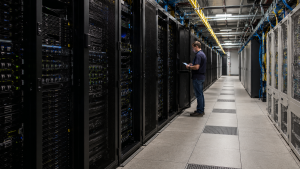
Enterprise technology does not become worthless the moment it leaves a production environment.
As organizations modernize data centers, replace aging systems or respond to OEM end-of-support dates, large volumes of servers, storage systems and networking equipment are removed from service. Much of this hardware is treated as waste, even though it may still hold financial, operational or material value.
The source material notes that global e-waste production could reach approximately 82 million tonnes annually by 2030. At the same time, reusable components and valuable materials continue to be lost through poor disposal practices.
With the right lifecycle strategy, retired IT hardware can become more than an environmental responsibility. It can help businesses recover value, reduce risk and support a more sustainable approach to infrastructure management.
Retired Does Not Always Mean Worthless
Hardware is often retired because it no longer meets the requirements of a particular workload.
A server may no longer provide enough capacity for a critical application. A storage system may have reached an OEM support deadline. A network device may have been replaced during a wider infrastructure refresh.
None of these situations automatically mean that the equipment has no remaining use.
Depending on its condition, age and market demand, retired hardware may still be suitable for:
- Lower-priority applications
- Development and testing environments
- Disaster recovery systems
- Replacement parts
- Resale through the secondary market
- Refurbishment and redeployment
- Responsible material recycling
Before removing equipment permanently, businesses should assess what value remains inside each asset.
Where Does the Value Come From?
The value of retired IT hardware can come from several different areas.
Complete equipment resale
Functional servers, storage arrays and network devices may still have demand in the secondary market.
Organizations operating legacy environments often need compatible equipment that is no longer readily available through the original manufacturer. A retired system from one company may therefore solve an availability problem for another.
Reusable components
Even when a complete system is no longer usable, individual components may retain value.
Examples include:
- Memory modules
- Hard drives and solid-state drives
- Power supplies
- Controllers
- Processors
- Network cards
- Fans and cooling components
- Chassis and rack parts
These components may be tested, refurbished and used to support other systems.
Recyclable materials
IT hardware contains plastics, glass and metals such as copper, aluminium and gold.
When equipment cannot be reused or resold, responsible recycling allows these materials to return to the supply chain rather than being sent unnecessarily to landfill.
Continued internal use
Not every retired asset needs to leave the business immediately.
Equipment removed from a mission-critical environment may still be suitable for internal testing, backup capacity, staff training or less demanding workloads.
This can extend the equipment’s useful life and delay the cost of purchasing additional hardware.
The Role of the Secondary IT Market
The primary market involves purchasing new equipment directly from an OEM or authorized supplier.
The secondary market gives organizations another option. Businesses can buy and sell pre-owned enterprise hardware, refurbished systems and individual components.
For sellers, this can help recover part of the original hardware investment. For buyers, it can provide faster and more affordable access to compatible equipment.
The secondary market is especially valuable for legacy infrastructure because replacement parts may remain available long after an OEM stops selling or supporting the original model.
However, businesses should not evaluate secondary-market equipment on price alone.
Important considerations include:
- Equipment condition
- Testing and certification
- Warranty availability
- Replacement support
- Supplier reputation
- Component authenticity
- Delivery and logistics
- Compatibility with the existing environment
Working with a reliable provider reduces the risk of purchasing faulty or incorrectly represented equipment.
Why Improper Disposal Creates Business Risk
Retired infrastructure may look like an operational issue, but poor disposal can create security, compliance and reputational problems.
Data security exposure
Servers, storage devices and other systems may still contain sensitive information.
Simply deleting files or formatting a drive may not permanently remove that data. Without a secure data-destruction process, confidential information could be recovered after the equipment leaves the business.
This may expose:
- Customer records
- Employee information
- Financial data
- Intellectual property
- System credentials
- Internal business documents
A secure disposition process should clearly document how data was erased or physically destroyed.
Environmental liability
Sending reusable electronics directly to landfill contributes to the wider e-waste problem.
Electronic equipment can contain materials that may damage soil and water when handled incorrectly. Businesses may also face environmental obligations depending on their location and industry.
Responsible resale, refurbishment and recycling help reduce those risks.
Regulatory exposure
Organizations working in healthcare, finance, government and other regulated sectors must be particularly careful when disposing of data-bearing assets.
Poor handling can lead to non-compliance, financial penalties, legal issues and loss of customer trust.
Reputational damage
Customers, investors and business partners increasingly expect organizations to manage technology responsibly.
Improper recycling or a data breach involving retired equipment can quickly damage confidence in the business.
What Does a Strong ITAD Process Look Like?
IT Asset Disposition, commonly known as ITAD, is the structured process used to retire, reuse, resell or recycle technology assets securely.
A strong ITAD process should include the following stages.
1. Asset identification
Create a complete inventory of the equipment being retired.
Record details such as:
- Manufacturer
- Model
- Serial number
- Asset tag
- Configuration
- Physical condition
- Storage capacity
- Current location
This improves accountability and prevents assets from disappearing during relocation or disposal.
2. Testing and evaluation
Each asset should be inspected to determine whether it is functional and whether it retains resale or reuse value.
Testing helps separate equipment into clear categories:
- Reuse internally
- Refurbish
- Resell
- Use for spare parts
- Recycle responsibly
3. Secure data destruction
All data-bearing devices should go through an approved erasure or destruction process.
The correct method depends on the media type, security requirements and applicable regulations.
Businesses should retain certificates or records showing that data destruction was completed.
4. Value recovery
Functional systems and components can be prepared for resale or redeployment.
This may include:
- Testing
- Cleaning
- Refurbishment
- Configuration verification
- Packaging
- Market valuation
A structured recovery process can reduce the total cost of an infrastructure refresh.
5. Responsible recycling
Equipment with no remaining operational or resale value should be sent through an appropriate recycling channel.
Materials should be processed responsibly rather than mixed with general business waste.
6. Reporting and audit trails
A complete report should show what happened to every asset.
This may include:
- Collection records
- Serial-number tracking
- Testing results
- Data-destruction certificates
- Resale documentation
- Recycling certificates
- Final disposition status
Detailed reporting provides transparency and helps protect the organization during an audit.
Business Benefits of Managing Retired Hardware Properly
A structured lifecycle and disposition strategy can deliver several practical benefits.
Higher return on investment
Resale and component recovery can return part of the original purchase cost to the business.
This lowers the overall total cost of ownership and makes future infrastructure investments easier to justify.
Better operational efficiency
Removing unused hardware improves data center space, inventory accuracy and equipment management.
Teams gain a clearer view of which systems remain active, which are retained as spares and which should be removed.
Stronger security
Certified data destruction reduces the risk of information remaining on retired equipment.
Improved compliance
Proper documentation and traceability help organizations demonstrate that assets were handled responsibly.
Progress toward sustainability goals
Reuse, refurbishment and recycling reduce unnecessary e-waste and support circular IT practices.
Should Hardware Be Retired at EOSL?
An OEM end-of-service-life announcement does not always mean the hardware must be replaced immediately.
Before retiring a system, businesses should evaluate:
- Current performance
- Workload requirements
- Failure history
- Availability of replacement parts
- Security requirements
- Cost of third-party maintenance
- Business impact of migration
- Remaining useful life
In many cases, reliable infrastructure can continue operating with post-warranty or third-party maintenance support.
Extending hardware life before disposal can reduce capital expenditure and prevent unnecessary e-waste. Once the system is no longer operationally suitable, it can then move into a structured resale, reuse or ITAD process.
Choosing the Right Lifecycle or ITAD Partner
The provider handling retired hardware should be evaluated carefully.
Look for:
- Clear asset-tracking procedures
- Secure logistics
- Transparent valuation
- Verified testing processes
- Documented data destruction
- Responsible recycling channels
- Detailed reporting
- Relevant industry certifications
- Experience with enterprise servers, storage and networking equipment
The provider should be able to explain what will happen to each asset from collection through final disposition.
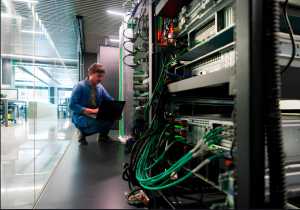
Turn Retired Infrastructure Into a Business Decision
Retired IT hardware should not automatically be treated as scrap.
A system may still have value as operational equipment, spare parts, secondary-market inventory or recyclable material. Even when resale is not the priority, responsible disposition protects the business from security, compliance and environmental risk.
The strongest approach is to evaluate every asset before deciding its next step.
Some equipment may continue running through third-party maintenance. Some may be redeployed internally. Others may be resold, dismantled for parts or recycled through a controlled ITAD process.
Extended Tech Solutions can help you review EOSL equipment, explore post-warranty support options and determine the most practical next step for aging infrastructure.
Speak with an ETS specialist to discuss your current hardware lifecycle requirements:
About The Author: