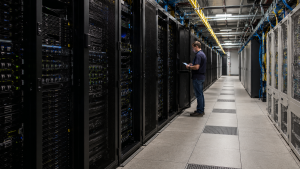
IT hardware eventually reaches the end of its useful life. Servers, storage systems, network devices, and drives may fail, become outdated, reach EOSL, or no longer meet business requirements.
However, retiring equipment is not as simple as throwing it away. IT assets may contain customer records, employee information, financial data, credentials, backups, and confidential files. Poor disposal can create security, compliance, financial, and reputational risks.
What Is Non-Compliant IT Disposal?
Non-compliant IT disposal means removing or destroying hardware without protecting its data, maintaining proper records, or following privacy and environmental requirements.
Examples include:
- Throwing servers, drives, or network devices into general waste
- Deleting files without securely sanitizing the device
- Using an unknown or unverified recycling provider
- Losing track of serial numbers, locations, or asset ownership
- Destroying equipment without documentation
Main Security Risks
1. Confidential Data Exposure
Retired drives and storage systems may still contain customer, employee, financial, healthcare, or operational information. If the data is not securely erased or destroyed, unauthorized users may be able to recover it.
2. Cybersecurity Threats
Old servers, routers, firewalls, and storage devices may contain passwords, network configurations, backup details, or system information. If exposed, this data could support fraud, ransomware, or wider cyberattacks.
3. Compliance and Audit Problems
Businesses may need to follow regulations and contractual requirements related to data privacy, healthcare information, consumer data, and electronic waste. Poor asset tracking and missing destruction records can make audits and compliance reviews more difficult.
4. Financial and Reputational Damage
Improper disposal can lead to incident response costs, legal disputes, regulatory action, lost asset value, and damage to customer trust.
EOSL Does Not Always Mean Disposal
When equipment reaches End of Service Life, replacement is not always the only option. Reliable hardware may continue supporting current workloads through third-party maintenance.
Before retiring an asset, review:
- Current performance and workload requirements
- Equipment condition and failure history
- Security requirements and parts availability
- Maintenance costs compared with replacement costs
- Future migration and upgrade plans
Suitable equipment may be maintained, redeployed, resold, or used for backup workloads. Hardware that no longer provides business value should be securely retired.
Steps for Responsible IT Asset Disposition
A structured IT asset disposition process should include:
- Inventory: Record the model, serial number, location, condition, and data status.
- Classification: Decide whether the asset should remain in service, be reused, sold, recycled, or destroyed.
- Data Protection: Securely erase or physically destroy data-bearing devices.
- Chain of Custody: Track pickup, transportation, handling, and final processing.
- Documentation: Maintain asset records, destruction certificates, and final reports.
- Value Recovery: Reuse suitable equipment, recover parts, arrange buybacks, and recycle responsibly.
How ETS Helps
Extended Tech Solutions supports businesses throughout the hardware lifecycle. We provide third-party maintenance for post-warranty and EOSL servers, storage systems, and network equipment that still delivers business value.
For retired equipment, ETS can assist with:
- Hardware evaluations and buyback options
- Secure onsite or offsite data erasure
- Physical data destruction and certificates
- Serialized asset and drive tracking
- Nationwide pickup and secure logistics
- De-racking, parts recovery, and responsible recycling
Illustrative Example
A business is replacing storage systems across several locations. ETS helps identify which systems can remain under maintenance, which can support backup operations, and which should be retired.
The business keeps reliable equipment in service, protects data on retired devices, recovers value from reusable hardware, and maintains clear documentation.
Protect Your Data and IT Investment
IT disposal is part of data security, cost control, compliance planning, and responsible infrastructure management.
Before replacing or discarding enterprise hardware, contact ETS to review your maintenance, buyback, data destruction, and IT asset disposition options.
About The Author: